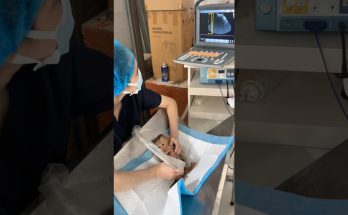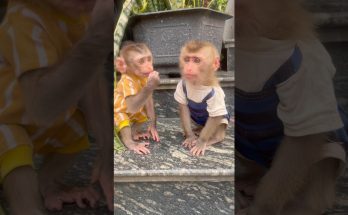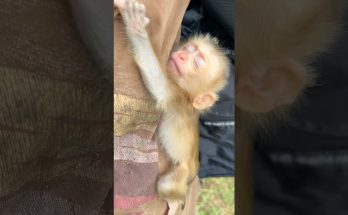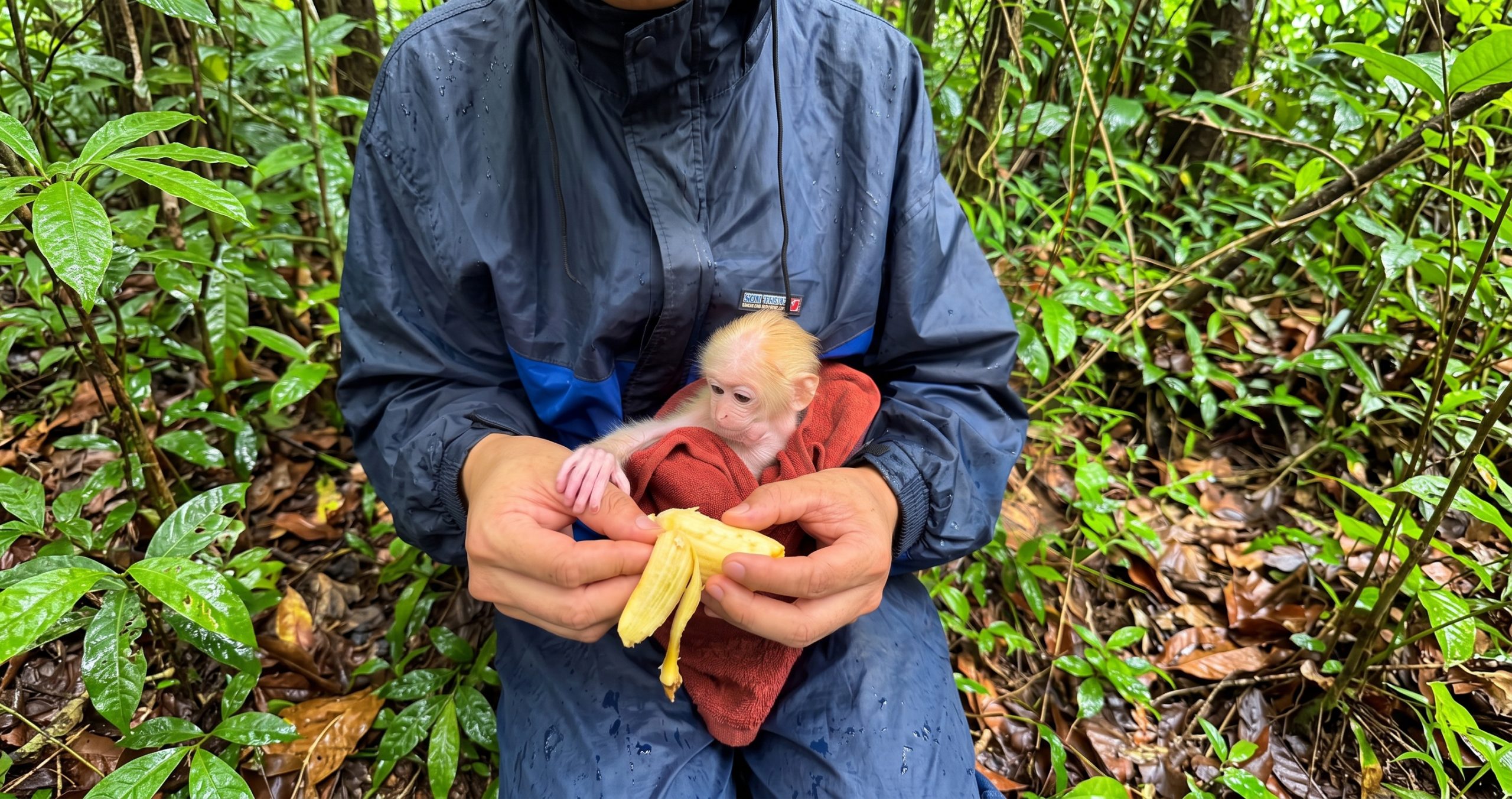
Wildlife rescue stories have always held a profound grip on the digital public, offering a rare window into the resilience of young animals facing extreme adversity. In an emotional 41-minute documentary-style feature titled “Rescuing and Adopting a Poor ABANDONED Baby Monkey A Miraculous Journey!”—published by the channel Monkey Kabi at http://www.youtube.com/watch?v=Do5wf-krx4Y—viewers witness the painstaking rescue, physical stabilization, and gradual emotional rehabilitation of an infant macaque left stranded and alone in the wild.
The video moves beyond brief viral snapshots, delivering an extended look at the intense care, biological hurdles, and psychological patience required to nurse a traumatized infant primate back to health.
From Despair to Safety: The Arc of Rehabilitation
Unlike short-form snippets, this extended feature captures the slow, fragile trajectory of an animal rescue in three distinct stages:
- The Discovery and Physical Crisis: Found isolated on the jungle floor without maternal defense, the infant exhibits severe disorientation and lethargy. In the wild, an infant primate separated from its mother faces immediate threats: predatory birds, dehydration, hypothermia, and lethal falls.
- First Aid and Nutritional Stabilization: The initial hours focus entirely on critical survival needs. The rescuer provides safe rehydration, warm milk formula, and digestible fresh fruit. The infant’s initial trembling slowly eases as basic caloric and thermal needs are met.
- The Emotional Breakthrough: The most striking transformation occurs as terror gives way to attachment. Initially cowering and watchful, the baby monkey gradually seeks out physical contact, grasping onto the caregiver’s fingers and clothing to establish a vital sense of security.
The Ethology of Orphaned Primates: Why Attachment Means Survival
The behaviors documented throughout the rescue illustrate core principles of primate psychology and developmental biology:
- The Trauma of Separation: Primates are neurologically wired for continuous maternal contact during their first months of life. Separation triggers an immediate spike in stress hormones (cortisol), resulting in lethargy, appetite loss, and severe emotional distress.
- Contact Comfort as Medicine: As demonstrated by classic attachment experiments, tactile warmth is not a luxury for infant monkeys—it is a physiological necessity. The physical presence of a calm caregiver acts as an external nervous system, regulating the infant’s heart rate, breathing, and body temperature.
- Rebuilding Foraging and Sensory Confidence: An orphaned infant must learn how to manipulate solid food, climb safely, and assess surroundings without the protective cues of an adult troop. Through gentle exposure to branches, leaves, and varied textures, the young monkey gradually regains natural exploratory instincts.