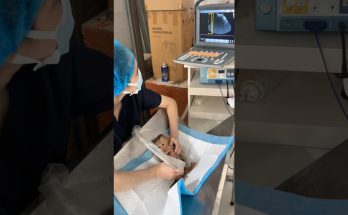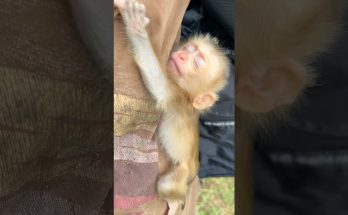
Every parent is familiar with the sudden jolt of alarm that comes with realizing a toddler has put something suspicious in their mouth. In an eight-second YouTube Short titled “The baby monkey had something stuck in its mouth and its mother helped it get it out.”—published by the channel Benny the Baby Monkey at http://www.youtube.com/watch?v=K9mm8–WPEY—that universal parenting moment plays out in the animal kingdom, drawing over ten million views.
The clip documents a human caretaker gently inspecting the mouth of an infant macaque and dislodging a dark, stuck object, highlighting key aspects of primate development, buccal anatomy, and caregiver trust.
The Eight-Second Scene: A Delicate Extraction
Despite its short duration, the video captures a precise, gentle caretaking routine:
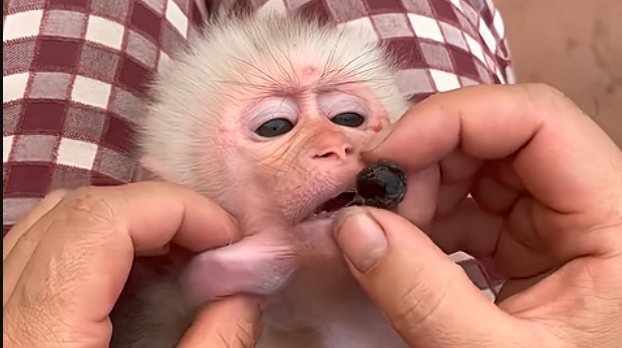
- [00:00] – The Identification: Resting comfortably on its back across the caretaker’s lap, the pale infant macaque looks upward. A dark, rounded object—likely a large seed or dried pit—is visibly wedged inside the right side of its mouth.
- [00:01] – The Extraction: The caretaker uses both hands with delicate coordination: one hand retracts the elastic cheek tissue while the other carefully pinches and extracts the foreign object from the baby’s lips.
- [00:03] – Reassurance: The moment the debris is pulled free, the caretaker gently strokes the top of the infant’s head. Rather than fussing or biting, the monkey remains calm and cooperative.
- [00:05] – A Secondary Check: To ensure the airway and cheeks are clear, the caretaker softly stretches both cheeks outward for a final visual inspection.
- [00:07] – Restoring Calm: Satisfied that the mouth is empty, the caregiver resumes gentle head pats, leaving the infant resting peacefully in complete security.
Oral Exploration and Cheek Pouch Anatomy
While the video makes for charming viewing, the situation stems from fundamental primate biology:
- Oral Exploratory Drive: Infant primates explore their immediate environment through mouth inspection. In both human babies and young monkeys, mouthing unfamiliar objects is a primary sensory mechanism. However, without adult supervision, this instinct frequently leads to accidental choking hazards or lodged foreign bodies.
- Developing Cheek Pouches: Macaques possess specialized anatomical cheek pouches (buccal pouches) used to cache food rapidly. In young infants, these muscular pockets are still developing in tone and coordination. Hard items, seeds, or unchewed food scraps can easily become temporarily trapped before the juvenile learns how to manipulate the cheek muscles to push items back between the molars.
- Maternal Inspection and Grooming: In wild troops, mother macaques regularly groom their infants’ faces, mouths, and ears. This behavior removes debris, cleans food residue, and clears potential choking hazards. The baby monkey’s calm demeanor during the extraction reflects complete reliance on the caregiver, mirroring the compliance wild infants show to their mothers.
Why the Internet Connected With the Moment
With over ten million views, the video succeeds because of its relatable narrative. The panic-and-relief cycle of fishing an unknown item out of a baby’s mouth is an experience that crosses cultural and species boundaries. Combined with the infant monkey’s docile, expressive face, the clip reminds viewers of the delicate vulnerability of young life and the universal importance of watchful care.