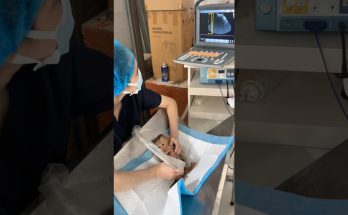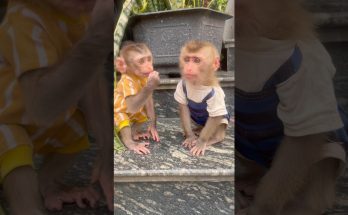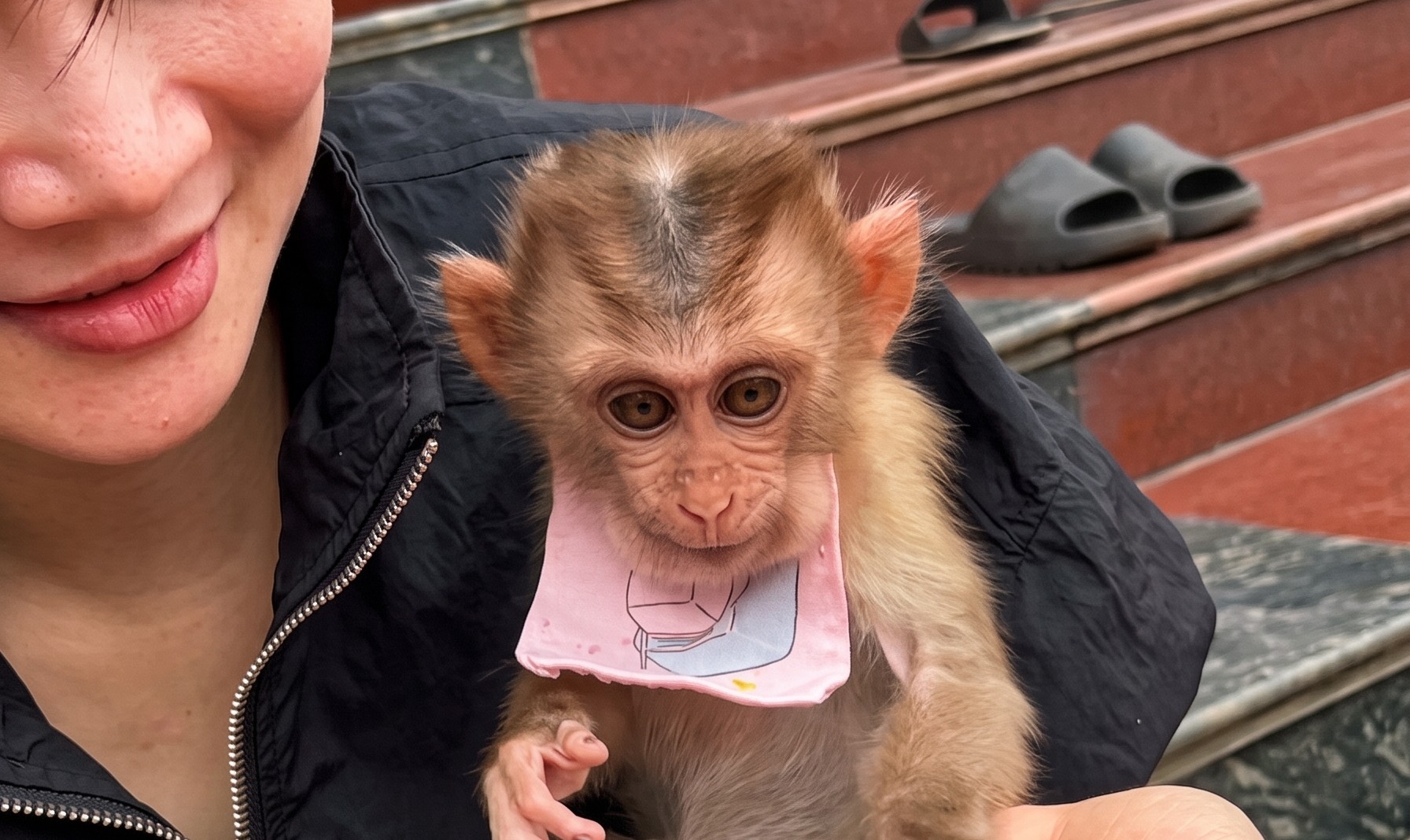
In the fast-scrolling world of online shorts, small animal moments often carry surprisingly rich behavioral meaning. A brief nine-second video titled “Mẹ và Xuxu và những chú sâu bướm” (“Mother, Xuxu, and the caterpillars”), shared on YouTube at http://www.youtube.com/watch?v=nA-xfeD2FxU, offers an endearing look into an infant macaque’s developing worldview. Set against a calm domestic backdrop, the clip shows a young monkey named Xuxu transitioning from a peaceful fruit snack to an unexpected meeting with a large green caterpillar.
Anatomy of a Nine-Second Discovery
Despite its brief runtime, the clip unfolds as a concise study in primate curiosity and caution:
- [00:00] – The Comfort of Routine: Dressed in a tiny cloth bib, Xuxu rests comfortably against her caretaker’s lap, happily chewing a fresh slice of fruit. Her posture is relaxed, reflecting the safety and predictability of a daily hand-feeding session.
- [00:03] – The Interruption: The caretaker notices a plump green caterpillar crawling nearby. Picking it up, she speaks soothingly in Vietnamese: “à bạn này bạn à mẹ mang đi nhá” (“Ah, this friend, mom will take it away, okay?”), resting the creature openly on her palm next to the remaining fruit.
- [00:05] – The Hesitant Reach: Mid-chew, Xuxu’s focus shifts entirely. Rather than recoiling in fear or lunging aggressively, she leans forward and extends a small, deliberate hand to lightly touch the caterpillar’s body, testing its texture and movement.
- [00:07] – Cognitive Processing: The video concludes with Xuxu pausing in contemplative stillness, processing whether this strange green visitor represents food, a toy, or a potential danger.
The Instinctive Balance: Food vs. Hazard
To human eyes, Xuxu’s gentle tap looks like simple childish wonder. In primate biology, however, this hesitation is a critical survival mechanism.
In the wild, macaques are opportunistic omnivores. While fruit, tender shoots, and seeds comprise most of their diet, insects serve as prized sources of protein, lipids, and essential micronutrients. Yet, caterpillars present a unique evolutionary dilemma:
- Chemical Defenses: Many caterpillar species produce irritating hairs (setae) or sequester toxins from host plants, rendering them unpalatable or venomous.
- Neophobia: Young primates possess a natural wariness toward unfamiliar stimuli. Snapping blindly at an unknown insect can lead to painful stings or mouth burns.
- Tactile Assessment: Primates rely heavily on their sensitive fingertip pads to gauge texture, temperature, and reflex movement before placing unfamiliar objects into their mouths.
Xuxu’s behavior at [00:05] highlights this exact balance: she explores with her fingers first rather than biting directly, showcasing an innate safety check that wild primates use every day.
Social Referencing and Maternal Trust
Beyond sensory exploration, the video illustrates social referencing—the developmental process where young primates look to parental figures for emotional guidance during novel situations.
Because the caretaker speaks softly and handles the caterpillar without panic at [00:03], she establishes an atmosphere of safety. In the wild, a mother macaque’s sharp alarm chirp would trigger an immediate retreat. Here, the caregiver’s calm tone reassures Xuxu that the moving creature is safe to observe, turning an ambiguous encounter into a positive learning moment.
The Enduring Appeal of Infant Discovery
At just nine seconds, the scene on http://www.youtube.com/watch?v=nA-xfeD2FxU resonates because it captures a universal stage of life: the moment a young mind encounters something unfamiliar and chooses curiosity over fear. Whether observed in a tropical forest canopy or on a caretaker’s lap, that cautious, reaching hand reminds viewers of the shared developmental milestones that connect primates across species boundaries.