A dramatic social-media headline claiming that a famous public figure was “confirmed” in Los Angeles can attract thousands of clicks within minutes. But an image, family photograph, or cropped social-media post is not enough to establish that a major event has actually occurred. This article looks at how viral celebrity claims spread, why seemingly convincing images can be misleading, and what readers should check before believing or sharing an urgent-looking headline.
A headline claiming that something has just been “confirmed” in Los Angeles is designed to create urgency.
Words such as “20 minutes ago,” “confirmed,” “breaking,” and “just revealed” encourage readers to click before they have time to question the information. When the headline involves a well-known person or member of a prominent family, the emotional reaction can be even stronger.
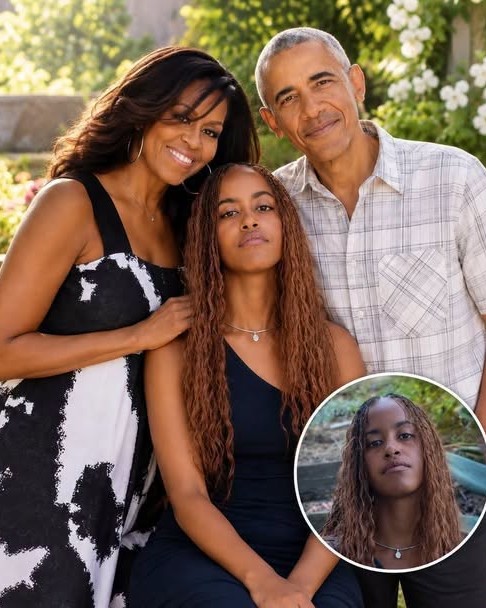
The image accompanying the claim appears to show a family posing together outdoors. However, an image by itself does not establish what happened, when the photograph was taken, or whether the people pictured are connected to the event described in the headline.
This distinction is extremely important in the age of social media.
A photograph can be genuine while the caption attached to it is completely misleading. An old family photograph can be presented as if it were taken yesterday. A real person can be shown alongside an invented claim. Even a legitimate news photograph can be taken out of context and repackaged to suggest something entirely different.
That is why readers should separate the evidence shown in an image from the claim made by the headline.
The image itself does not provide enough evidence to establish the alleged breaking-news event.
This does not necessarily mean that the underlying claim is false. It simply means that the claim requires independent verification.
Before sharing a post like this, readers should look for the original source, publication date, named reporters, official statements, and coverage from established news organizations.
If the only evidence is a dramatic Facebook caption accompanied by a photograph, caution is warranted.
Viral content is often designed to make people react first and investigate later.
Celebrity stories have an unusual ability to travel across social platforms.
A headline involving a famous family can generate curiosity even when the actual information is extremely vague. The reader may click because they want to know whether the person has made an announcement, appeared somewhere unexpectedly, experienced a major life event, or become involved in another development.
Social-media algorithms can amplify this behavior.
When people stop scrolling, open a post, comment, react, or share it, the platform receives signals indicating that the content is attracting attention. That can potentially expose the post to even more users.
This creates a powerful cycle:
dramatic headline → curiosity → clicks → engagement → wider distribution.
The phrase “20 minutes ago” is particularly effective because it creates a false sense of immediacy if the underlying information has not actually been independently verified.
Readers may assume that they are receiving information before traditional news organizations have reported it.
Sometimes genuine breaking news does emerge first on social media. But urgency itself is not evidence of accuracy.
A trustworthy report should provide enough information for readers to understand what actually happened.
Who reported it?
When did the event happen?
Where did the information come from?
Was there an official statement?
Are reputable independent publications reporting the same event?
These questions are much more useful than simply asking whether a post has thousands of shares.
A large number of reactions does not transform an unverified claim into a verified fact.
Image placement 1:
A realistic photograph of a European woman in her 30s looking at a smartphone while reading a breaking-news story at home, natural daylight, authentic lifestyle photography, concerned but neutral expression, no visible text on the phone, no logos, no watermark.
One of the most common techniques used in misleading social-media posts is the use of a real photograph alongside an unrelated or exaggerated caption.
The photograph may be completely authentic.
That is what makes the post particularly convincing.
Readers recognize familiar faces, see a professionally composed photograph, and subconsciously assume that the image must have been taken in connection with the event described in the headline.
But photographs have context.
A family portrait could have been taken months or years earlier. A red-carpet photograph could be reused to describe a completely different event. A photograph from an old interview could suddenly appear alongside a new claim.
Even photographs that appear recent cannot always establish exactly when or where they were taken.
Reverse image searches and reputable news archives can sometimes help determine whether an image has appeared online before.
Readers should also pay attention to whether the photograph contains evidence supporting the headline.
Does the image show the alleged event?
Does it contain a date?
Is there an identifiable location?
Is there an official announcement?
Or is it simply a portrait of the person mentioned?