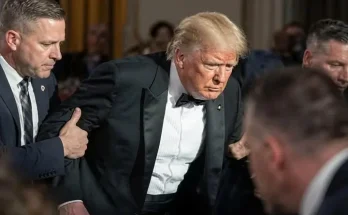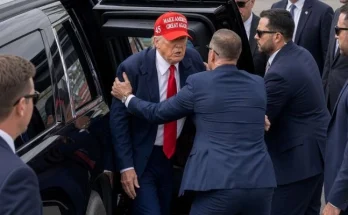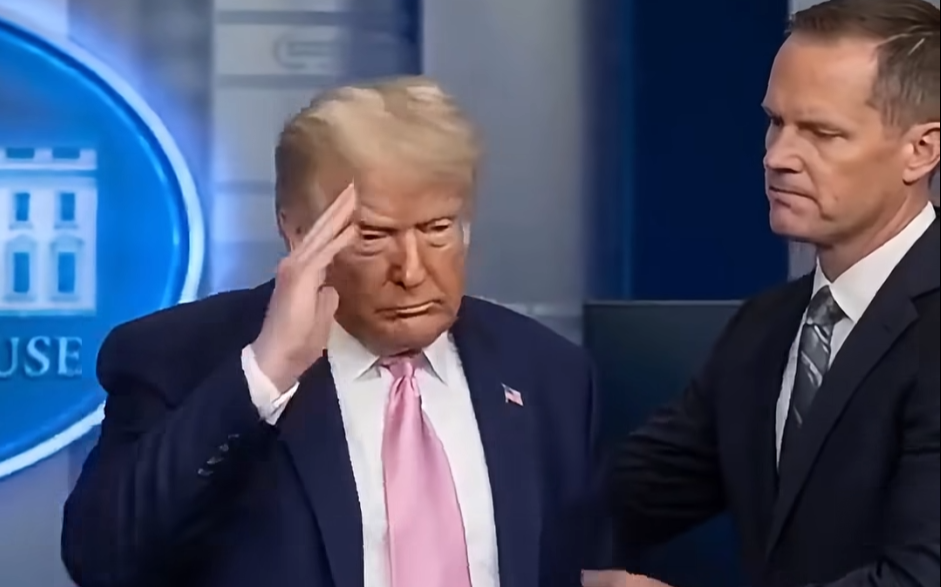
Washington was shaken by a single presidential order.
In a move that sent shockwaves through the nation’s capital, Donald Trump authorized an aggressive federal intervention, effectively placing Washington, D.C. under heightened federal control. The decision, described by supporters as decisive and long overdue, brought an immediate and visible transformation to the city’s streets. Federal agents, alongside units from the United States National Guard, were deployed in large numbers, marking one of the most forceful security measures seen in the capital in years.
The impact was swift. Within weeks, official reports pointed to a significant drop in certain categories of crime, particularly violent offenses that had long concerned residents and policymakers alike. Neighborhoods previously associated with higher crime rates reported fewer incidents, and for many locals, the change was impossible to ignore. Streets that once felt tense at night appeared calmer. Businesses stayed open later. Families, in some areas, began to reclaim public spaces they had avoided.
But the numbers told only part of the story.
At the same time, immigration-related arrests surged dramatically—by some estimates, increasing nearly tenfold. Federal agents conducted operations across various districts, often targeting individuals suspected of violating immigration laws. These actions, while aligned with broader enforcement priorities, quickly became one of the most controversial aspects of the intervention. Critics argued that the crackdown extended beyond public safety and into aggressive immigration policing, raising concerns about civil liberties and due process.
For some residents, the presence of federal forces brought a sense of reassurance. “I feel like someone is finally doing something,” one local business owner remarked in interviews shared across social media. The visible patrols, combined with rapid responses to incidents, created an atmosphere of control that many felt had been lacking. To them, the trade-off seemed justified—if stronger enforcement meant safer streets, it was a price worth paying.
Others, however, saw something entirely different.
Reports began to emerge of unmarked vehicles, sudden stops, and individuals being questioned or detained without clear explanation. Community groups described a growing sense of unease, particularly among immigrant populations who felt increasingly targeted. The city, they argued, was not simply becoming safer—it was becoming more controlled, more watched, and less predictable.
Civil rights advocates were quick to respond, warning that such measures risked normalizing a level of surveillance that could have long-term consequences. They pointed to historical examples where heightened security powers, once introduced, were rarely fully rolled back. The concern was not only about the present moment, but about what it might set in motion for the future.
Local officials found themselves in a difficult position.
While some acknowledged the reduction in crime as a positive development, others questioned the broader implications of federalizing the city’s security apparatus. Metropolitan Police Department of the District of Columbia, which traditionally handles policing in the city, now operated alongside a much larger and more visible federal presence. This overlap raised questions about coordination, authority, and accountability.
Was this a temporary measure, or the beginning of a new approach to urban security?
The debate quickly moved beyond Washington. Across the country, political leaders, analysts, and citizens began weighing in. Supporters framed the intervention as a model for addressing crime in other major cities, arguing that strong federal action could succeed where local efforts had struggled. Opponents warned that such a model risked undermining local governance and eroding trust between communities and law enforcement.