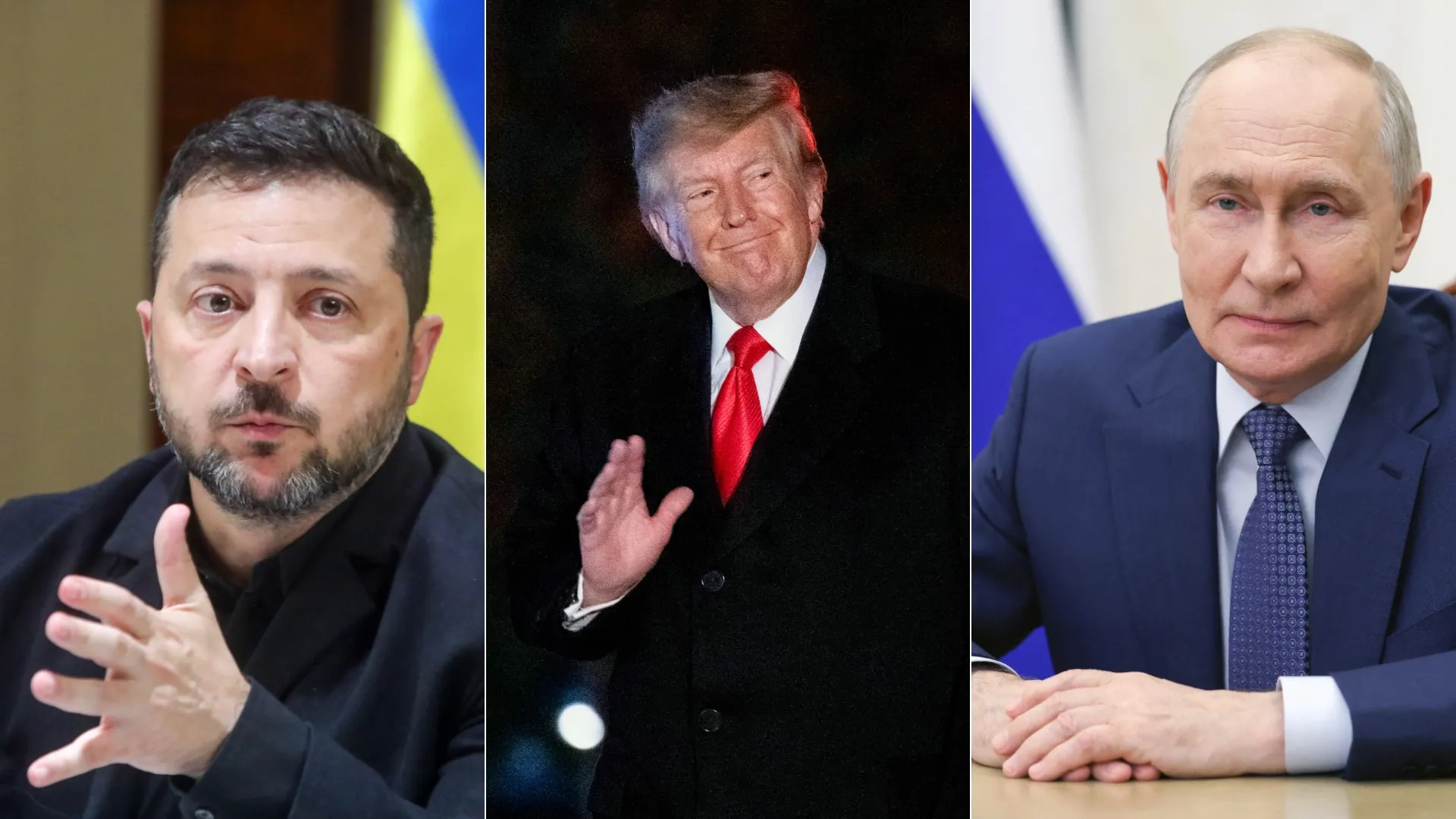
President Trump announced Sunday that Russia and Ukraine have agreed to an immediate “energy ceasefire,” but Ukrainian President Volodymyr Zelensky says the claim caught him off guard, and the Kremlin has offered no confirmation that any deal exists.
“Effective immediately, there is an ENERGY CEASEFIRE in the War between Russia and Ukraine. Both parties have agreed. Do not break it!” Trump wrote on Truth Social Sunday morning. He did not elaborate on how the agreement was reached, what it covers, or who negotiated it.
Zelensky told Axios the announcement “was news for me,” though he added that Ukraine would accept such a truce if Russia genuinely agreed to one. “If President Trump negotiated it with Putin, please tell us when the ceasefire begins. We are ready, and we will accept it,” Zelensky said.
Why it matters
A verified halt to strikes on power plants, refineries and grid infrastructure would mark a significant breakthrough heading into winter, when both countries rely heavily on functioning energy systems. But it remains unclear whether Russia has actually agreed to anything, and Trump has made similar claims before that did not hold up.
Trump announced a comparable energy ceasefire last month, but neither Moscow nor Kyiv ever confirmed a deal was in place, and both sides continued striking each other’s energy infrastructure in the weeks that followed. The pattern dates back further still: in March 2025, the White House and the Kremlin said Putin had agreed to a 30-day pause on strikes against energy targets, but Ukrainian officials reported fresh Russian drone attacks within hours of that announcement.
A rocky weekend before the announcement
Trump’s Sunday statement followed several tense days between Washington and Kyiv. The U.S. had announced a deal days earlier to import Russian diesel fuel while easing related sanctions, a move Zelensky publicly criticized. Trump responded by blaming Zelensky for high diesel prices and suggesting Sunday that Ukraine should “get a new leader who can make a deal.”
Talks involving senior Ukrainian and American officials — including Trump son-in-law Jared Kushner and special envoy Steve Witkoff — were reportedly underway in Miami around the time the diesel arrangement was announced. It was not immediately clear what, if anything, in those discussions led to Sunday’s ceasefire claim.
Zelensky pushed back on Trump’s criticism earlier Sunday, saying Russia alone bears responsibility for the war. Speaking on ABC’s “This Week,” he said Ukraine was ready to stop striking Russian oil refineries if Moscow halted its own attacks on Ukraine’s energy grid. “We want peace,” Zelensky said. “We are ready for ceasefire. We are ready to begin from any kind of steps of de-escalation.”
He also wrote on X that halting strikes on energy infrastructure “is possible… as early as today,” but said Russian President Vladimir Putin “does not want to do so,” adding that any de-escalation must be reciprocal and backed by real guarantees. Separately, Zelensky said Ukraine would be willing to hold elections if Putin agreed to a 60-day full ceasefire.
What remains unconfirmed
As of Sunday, there was no statement from Moscow acknowledging a ceasefire agreement. A source close to Zelensky told CNN the announcement was news to them as well, though they indicated Ukraine would go along with a genuine truce if Russia does. Trump’s post did not specify a start time, duration, enforcement mechanism, or which facilities would be covered.
That ambiguity echoes the aftermath of the administration’s earlier energy ceasefire claims, which were followed by continued strikes on both sides rather than a verified pause. Independent confirmation from Russian officials, and evidence that strikes have actually stopped, would be needed before the claimed ceasefire could be considered established.
What happens next
Attention now turns to whether the Kremlin issues any statement addressing Trump’s claim, and whether attacks on Ukrainian and Russian energy infrastructure actually stop in the coming days. Ukrainian officials and Western monitors typically report new strikes within hours when attacks continue despite ceasefire announcements, which would quickly test the durability of Sunday’s claim. The fate of Zelensky’s proposed 60-day ceasefire tied to elections, and the broader diesel dispute between Washington and Kyiv, are also likely to remain active flashpoints in the coming week.