I. A High-Profile Defection in a Crucial Battleground
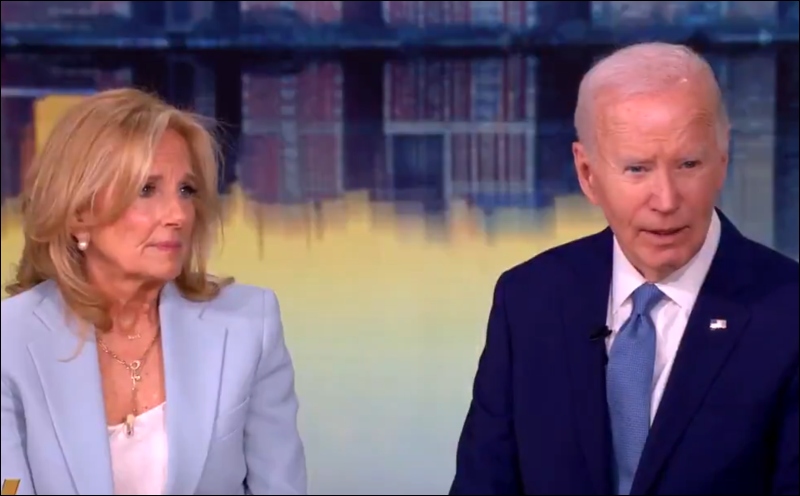
In an election cycle already defined by tight margins and ideological friction, an unexpected public defection from inside the Biden political orbit has sent shockwaves through Democratic circles. Michael LaRosa, who served as press secretary to First Lady Jill Biden and special assistant to President Joe Biden, publicly announced that he cannot support his own party’s nominee in Michigan’s critical U.S. Senate race—declaring instead that he plans to back Republican candidate Mike Rogers.
The announcement, published across social media commentary and discussed in high-profile television appearances, sent tremors through the political landscape. Michigan remains one of the premier swing states determining control of the upper chamber, and an endorsement across party lines from a veteran Democratic operative has been seized upon by political observers as a flashing red light for the party’s mainstream coalition.
II. The Catalyst: Radical Alliances and 9/11 Rhetoric
LaRosa made clear that his decision was not driven by sudden alignment with conservative ideology, but by what he characterized as a failure of moral leadership within the Democratic ranks.
The tipping point centered on progressive candidate Abdul El-Sayed’s associations with controversial far-left political commentators, specifically internet streamer Hasan Piker, whose past inflammatory comments regarding the September 11 terrorist attacks have drawn recurring national condemnation. LaRosa, who lost close family connections during 9/11, emphasized that refusing to firmly repudiate anti-American rhetoric and extremism constitutes an absolute disqualifier for public office.
“I could never support anyone too weak to stand up to extremists,” LaRosa argued, describing former Congressman Mike Rogers as a “reasonable Republican” whose tenure chairing the House Permanent Select Committee on Intelligence demonstrated a willingness to cooperate with the Obama administration on national security matters.
III. A Symptom of Broader Intra-Party Fractures
While progressive activists quickly fired back at LaRosa, dismissing his position as an isolated betrayal by an establishment insider, political analysts view the clash as symptomatic of a broader dilemma facing Democrats in Midwestern industrial states.
In Michigan, winning statewide demands cobbling together an expansive, fragile coalition: working-class union households, suburban moderates, Arab American communities in Wayne County, and progressive college students in Ann Arbor. When national security debates and polarizing cultural rhetoric overshadow kitchen-table economic priorities, suburban independents and centrist voters often drift away from the ticket.
LaRosa’s willingness to break ranks underscores the hazards facing down-ballot candidates who embrace activist-driven foreign policy postures over broad-based consensus. By calling out his own party in a pivotal battleground, the former White House aide laid bare an escalating reality: if mainstream Democrats feel alienated by their own nominees, retaining critical swing seats in November will become an uphill fight.