I. The Culture War Reaches Public Lands
A sharp legal confrontation over how American history and environmental science are interpreted on federal lands has escalated following a nationwide judicial injunction. A federal judge in Massachusetts ordered the Department of the Interior to restore historical exhibits, interpretive signs, and educational plaques previously altered or stripped from U.S. National Parks.
The ruling arrived after conservative advocacy groups and the executive branch initiated a directive targeting what critics labeled “divisive, left-wing ideology” across federally managed museums and monuments.
Under the policy, park superintendents were directed to remove or modify interpretive signage addressing the legacy of slavery, Indigenous displacement, and human-induced climate change. While supporters framed the cleanup as a necessary restoration of patriotic unity, historical societies and conservation groups sued, alleging the removals constituted unlawful censorship.
II. The Legal Ruling and First Amendment Bounds
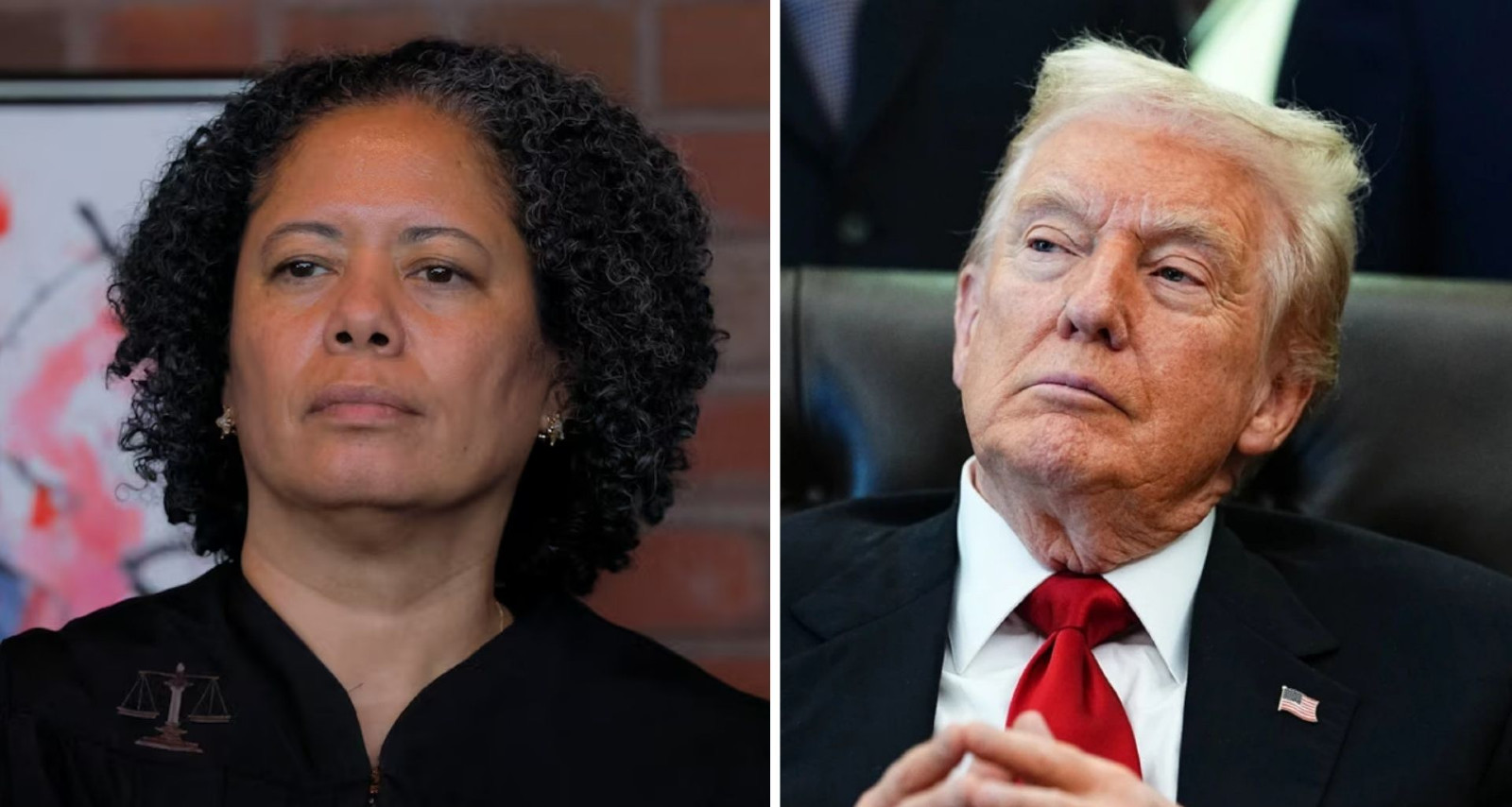
U.S. District Judge Angel Kelley delivered a pointed rebuke of the executive directives, issuing a preliminary injunction requiring officials to reinstall the removed exhibits within 21 days.
In her memorandum opinion, Judge Kelley rejected the administration’s claim of unchecked executive discretion over public museum narratives, writing that the government cannot arbitrarily sanitize the historical record by “telling half-truths” to visitors. The court found that abrupt removals violated federal procedural requirements under the Administrative Procedure Act (APA), noting that educational content in national parks must remain tethered to peer-reviewed historical scholarship and established scientific consensus.
The ruling singled out several high-profile display removals, including:
- Slavery Interpretive Plaques: Memorial installations at historical properties such as the President’s House site in Philadelphia, where references to enslaved individuals held by early American presidents were covered or modified.
- Climate Science Exhibits: Informational markers across western national parks detailing retreating glaciers and ecological shifts linked to greenhouse gas emissions.
- Civil Rights & Labor Panels: Educational exhibits cataloging labor strikes and racial civil rights milestones on public battlegrounds.
III. Political Fallout and Executive Authority
Conservative commentators and legal defenders swiftly criticized the ruling as judicial overreach, arguing that presidential administrations have long maintained constitutional authority to set the thematic priorities of executive agencies. Opponents maintained that taxpayer-funded parks should celebrate national unity rather than amplify contemporary cultural friction.
Justice Department attorneys quickly moved to appeal the decision, asserting that federal parks represent government speech rather than open public forums.
However, preservation organizations and museum curators celebrated the injunction as a necessary check on political revisionism. Legal scholars note that the core issue touches a foundational constitutional question: where the boundary lies between an administration’s policy prerogatives and the statutory duty of the National Park Service to preserve America’s unvarnished historical and scientific heritage.
With appellate proceedings underway, the clash over public memory ensures that the trails, monuments, and museums of the national park system will remain a focal point of ongoing federal debates.