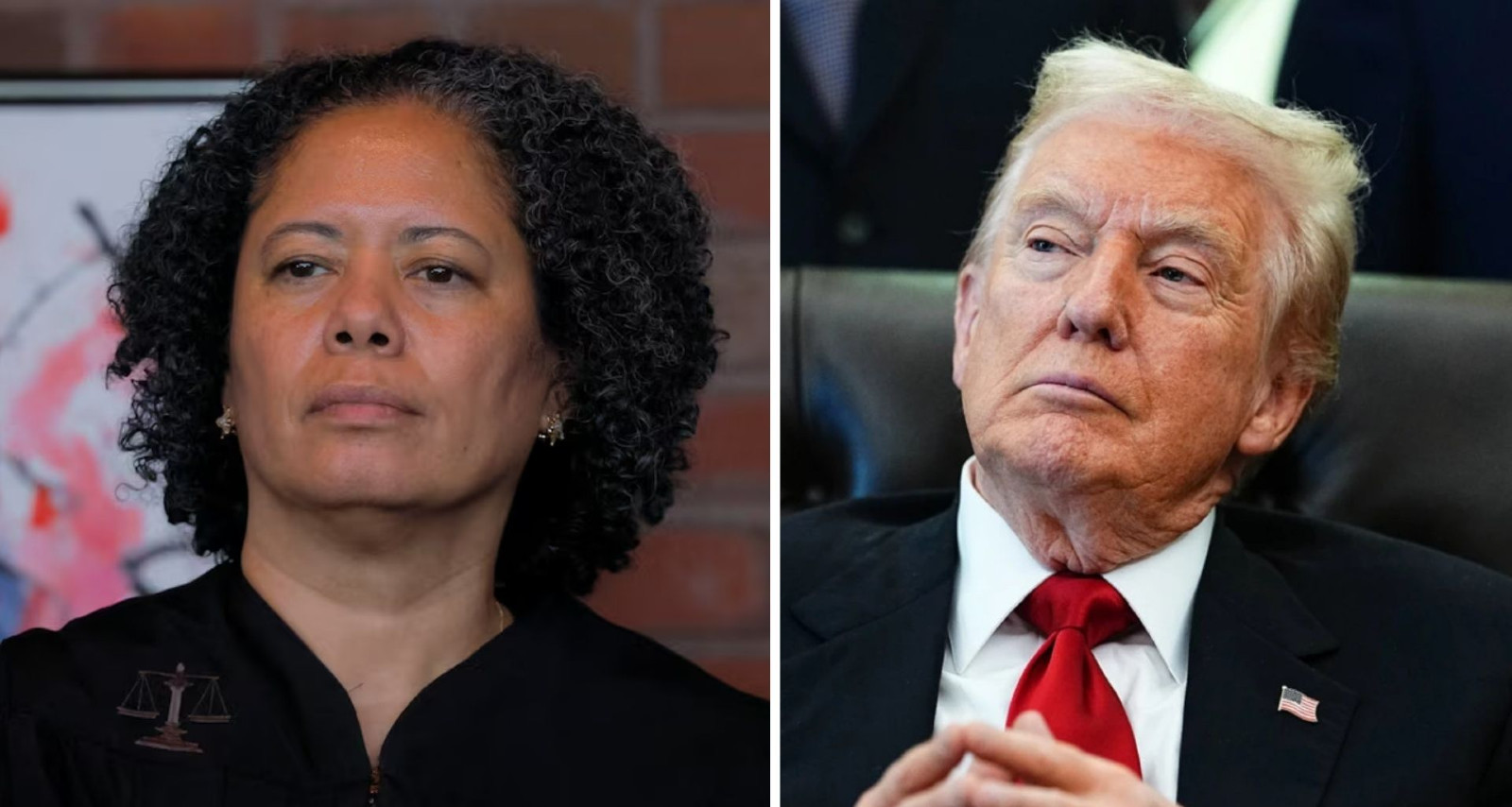
The battle over how American history and science are presented on public lands has collided directly with the federal judiciary. U.S. District Judge Angel Kelley issued a preliminary injunction ordering the Trump administration to halt its nationwide review of National Park Service (NPS) interpretive materials and reinstate signs, educational displays, and plaques that had been altered or removed over the past year.
The ruling has triggered sharp pushback from administration allies and conservative commentators, who contend that an activist judiciary is overriding presidential authority to preserve politically charged narratives at taxpayer-funded monuments.
The Injunction and Administrative Challenge
The decision stems from directives issued by the Department of the Interior under Secretary Doug Burgum, enforcing an executive order aimed at removing exhibits, literature, and educational presentations that the administration deemed to unfairly “disparage” the United States, its founding ideals, or historic figures.
In her ruling from the U.S. District Court for the District of Massachusetts, Judge Kelley—appointed to the bench by President Joe Biden in 2021—found that the Interior Department likely violated the Administrative Procedure Act (APA). The court determined that agency officials implemented sweeping alterations to historical displays without formal public notice, required public comment periods, or adequate statutory justification.
Addressing the government’s stated goal of eliminating distorted historical narratives, Judge Kelley wrote that the administration’s actions risked “telling half-truths” and amounted to attempting to rewrite American history with a “white-out pen.” Under the terms of the injunction, federal park officials were given a 21-day timeline to reinstall altered or removed educational panels across affected sites.
Competing Visions of Public Memory
The controversy centers on several high-profile exhibits modified across the country. Lawsuits brought by conservation groups and historians pointed to altered markers at Grand Teton National Park in Wyoming, changes to interpretive panels addressing climate science at coastal sites such as South Carolina’s Fort Sumter, and prior disputes regarding slavery exhibits at the President’s House site in Philadelphia.
Advocates for the lawsuit argue that national parks are living educational institutions tasked by Congress with presenting transparent, research-backed history—including difficult chapters involving slavery, Native American displacement, and environmental shifts.
Conversely, defenders of the administration’s policy argue that many contemporary park exhibits have shifted away from objective historical facts toward contemporary ideological framing. Conservative legal theorists emphasize that the displays constitute government speech, which is constitutionally subject to the policy priorities of the elected executive branch rather than civil service committees or outside advocacy coalitions. From this viewpoint, removing overly negative or partisan interpretations restores civic unity, and lower court injunctions forcing the government to display specific text constitute judicial overreach.
Appellate Path and the Semiquincentennial
The Department of Justice immediately sought appellate review, challenging both the merits of the statutory interpretation and the broad nationwide scope of the district court’s injunction. Administration attorneys argue that individual district judges should not dictate day-to-day administrative guidelines for hundreds of park units across all fifty states.
The dispute carries heightened symbolic resonance as the United States approaches the 250th anniversary of the Declaration of Independence. With national celebrations approaching, the question of whether public parks should emphasize unifying national achievements or preserve multifaceted critiques remains one of the country’s most fiercely contested civic debates. The final outcome will likely rest with the federal appellate courts, defining the boundaries of executive discretion over the nation’s historical heritage.