Introduction: The Delicate World of Primate Care
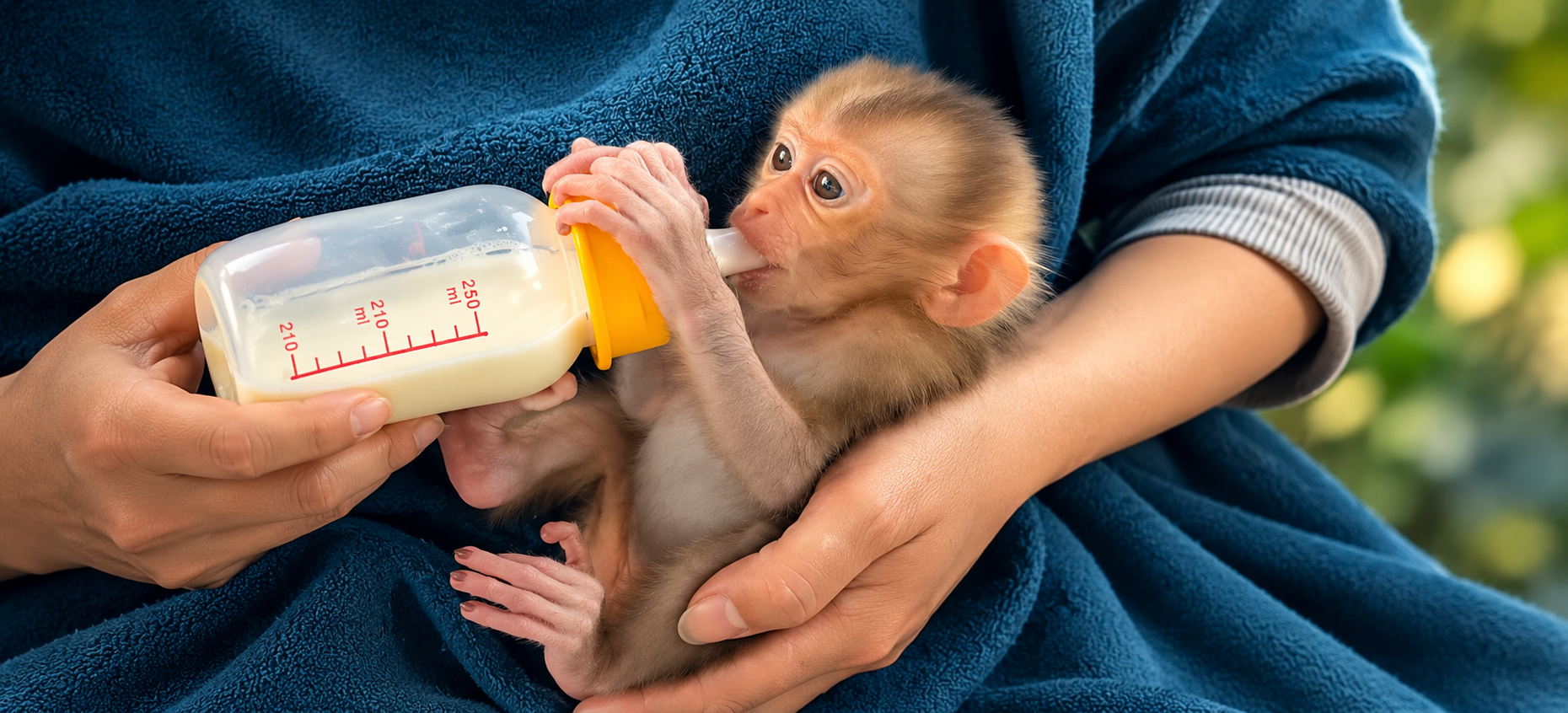
The bond between a caretaker and a rescued infant animal is a profoundly unique experience, filled with both heartwarming tenderness and immense responsibility. Watching a tiny, vulnerable infant grasp a milk bottle with its delicate fingers evokes an overwhelming sense of empathy and love. However, hand-rearing and nurturing an infant primate requires specialized knowledge, extreme patience, and an understanding of their intricate developmental needs.
In this comprehensive guide, we explore the nuances of infant primate care, focusing on proper bottle-feeding techniques, nutritional requirements, maintaining body warmth, and the emotional dedication required to give these intelligent creatures a healthy start.
Understanding the Needs of an Infant Primate
When an infant primate is orphaned or rescued, its survival depends entirely on replicating the constant care, security, and nourishment it would normally receive from its mother. In the wild, baby monkeys spend months clinging tightly to their mothers, experiencing constant physical contact, warmth, and structured feeding intervals.
Caretakers stepping into this role must prioritize several critical pillars of health:
-
Constant Warmth: Newborn and infant monkeys cannot regulate their own body temperatures effectively. Maintaining a warm, stable environment using safe heating methods is vital.
-
Specialized Nutrition: Human milk or improper substitutes can cause severe digestive distress. Choosing the correct formula and mixing ratios is essential for development.
-
Gentle Handling: Minimizing stress and handling by multiple people during the early weeks helps build a secure and calm environment.
-
Hygiene and Sterilization: Infant primates have developing immune systems, meaning all feeding equipment must be rigorously sterilized.
Proper Bottle-Feeding Techniques and Guidelines
Bottle-feeding an infant monkey is a delicate process that demands complete focus. Rushing the process or using incorrect posture can lead to dangerous complications such as aspiration pneumonia.
1. Positioning and Posture
Always feed the baby in an upright or semi-upright, ventral-to-ventral position (belly-to-belly), mimicking how they would cling to a mother. Never feed a baby monkey while it is lying flat on its back, as this drastically increases the risk of choking or fluid entering the lungs.
2. Feeding Pace and Frequency
-
Slow and Steady: Allow the infant to suckle at its own natural pace. Never squeeze or force milk through the nipple or syringe too quickly.
-
Feeding Schedule: Depending on their exact age, infants typically require feeding every 2 to 4 hours around the clock during their earliest weeks of life.
-
Recognizing Fullness: Healthy infants generally do not overeat; they will naturally turn their heads away or release the nipple when they are satisfied. Never force-feed an unwilling infant.
3. Formula Selection and Preparation
-
Use veterinarian-recommended infant formulas or specialized non-human primate milk replacers.
-
Always mix formula precisely according to guidelines using safe, clean water, and warm it to slightly above body temperature (test it to ensure it is warm to the touch, never hot).
-
Discard any leftover mixed formula after 24 hours to prevent bacterial contamination.
Developmental Milestones: From Milk to Solid Foods
As the infant grows past the first few weeks, its nutritional and behavioral requirements will evolve. Transitioning too quickly can upset their sensitive digestive tracts, so changes must be introduced gradually.
Early Weeks and Digestive Support
In the wild, a mother’s grooming stimulates the infant’s bodily functions. Human caretakers must gently stimulate the baby’s anal and genital region with a soft, damp cloth or cotton ball soaked in warm water after every single feeding to encourage urination and defecation.
Weaning and Introducing Solids
-
4 to 6 Weeks: Begin introducing smooth, easily digestible foods such as iron-fortified baby cereal, smooth applesauce, or plain yogurt in small quantities alongside formula.
-
Gradual Variety: Slowly incorporate finely chopped soft fruits, well-cooked vegetables, and specialized primate biscuits into their daily diet.
-
Hydration: Always ensure fresh water is accessible in a clean small bottle or shallow dish as they grow independent of milk.
Conclusion: Empathy Meets Responsibility
Caring for a rescued baby monkey offers breathtaking moments of connection, but it is a path that demands dedication, education, and unwavering commitment to animal welfare. By respecting their biological needs, ensuring proper nutrition, and providing a safe, loving environment, caretakers can help these fragile infants grow into healthy, thriving animals.
Note on Wildlife Conservation: While rescue and rehabilitation scenarios highlight deep compassion, wild primates belong in their natural habitats or accredited, professional wildlife sanctuaries where they can socialize with their own kind and live natural lives.